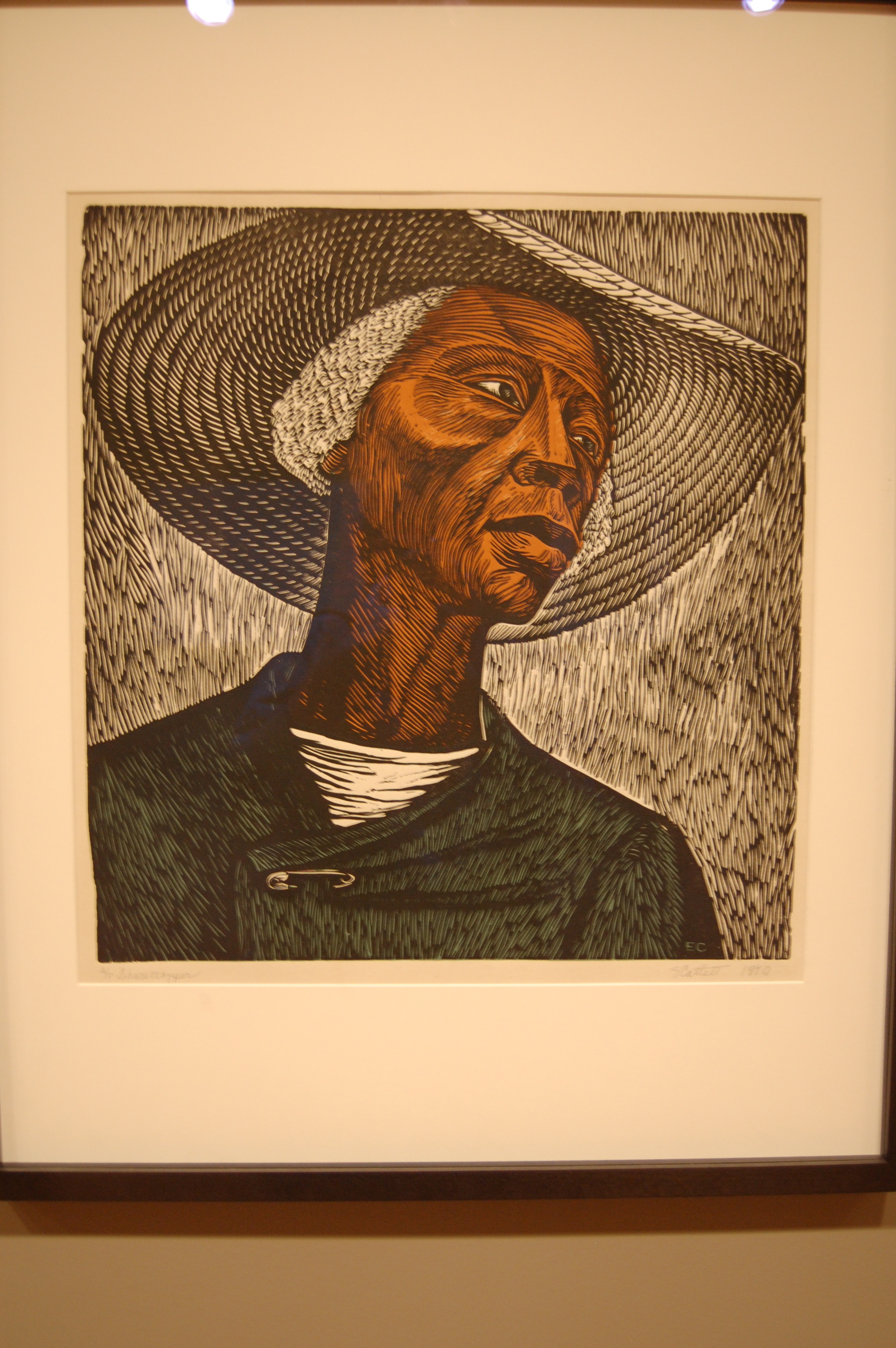
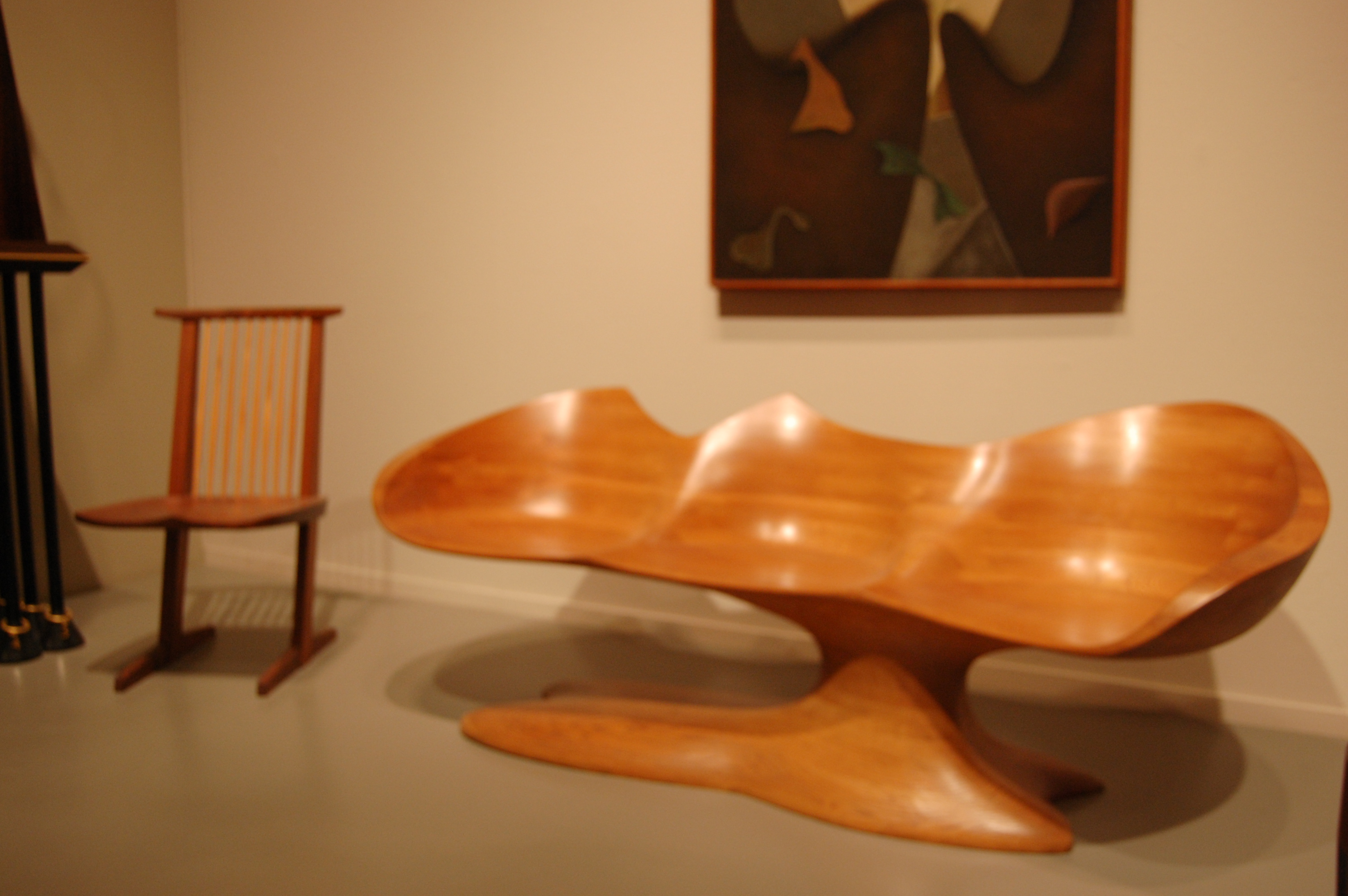
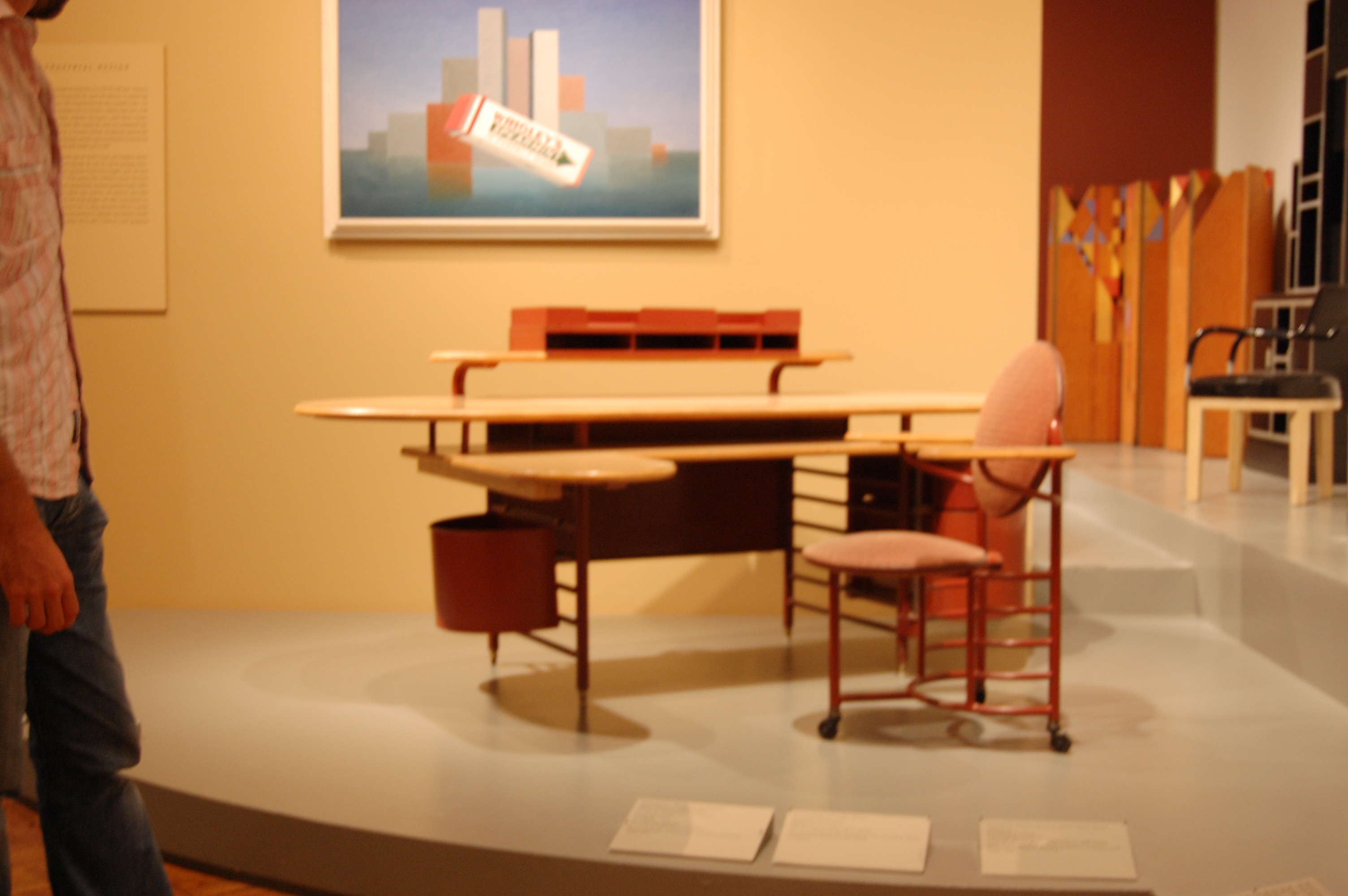
I spent last weekend up in Chicago. I hadn’t been there in over a decade, and although the City, for the most part, hasn’t changed all that much, there are some notable improvements, many of which provide lessons for those of us here in Alexandria.

Like Alexandria, Chicago was also decimated by a huge fire– only seven years after General Banks ordered the scorching of our fair City. There are only a handful of buildings that survived the Great Fire of 1871, and not surprisingly, they are well-preserved gems of the urban core. When you consider this– that one of the biggest cities in the country has been completely rebuilt during the past 140 or so years, you can’t help but marvel at the tenacity of the people of Chicago. Indeed, the fire actually spurred the development of Chicago, transforming the City almost immediately.
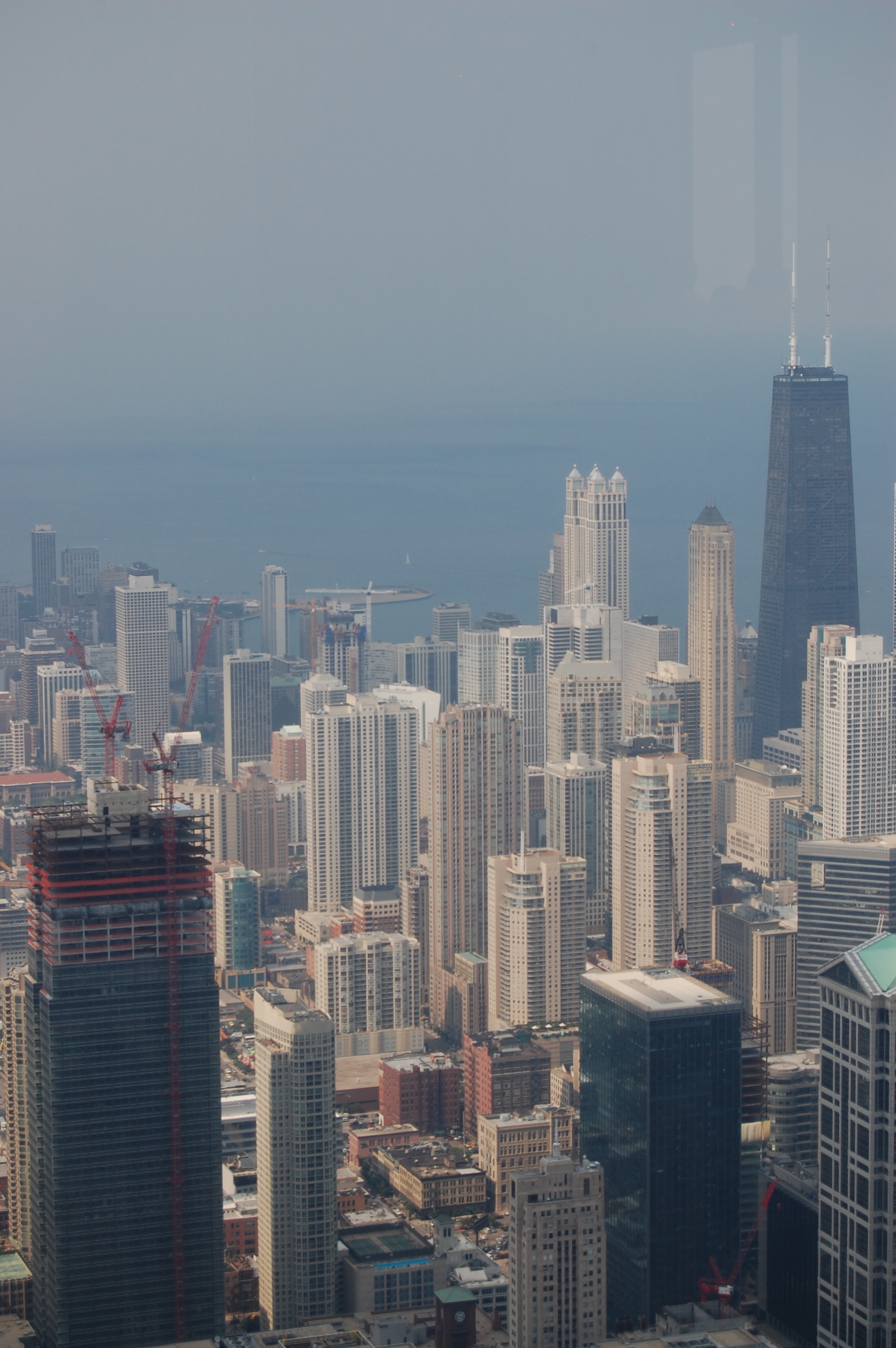
Taken from the top of the Sears Tower.

Of course, Alexandria is a little different. With the exception of a handful of structures, most of Alexandria’s “old” buildings were constructed in the late 1890s and early 1900s. No doubt, a confluence of factors– not least of which was the Reconstruction of the South– delayed the redevelopment of Alexandria. To be sure, we rebuilt, but it wasn’t sudden or precipitous. And we’ve had some serious difficulties addressing our historic inventory and character.

But that’s not the point I am getting at. Chicago is not exactly analogous to Alexandria, but it can teach us lessons:

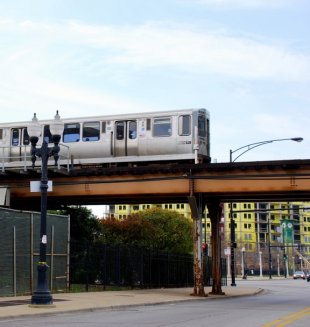
1. Efficient, effective public transit.
2. Catalytic public projects. Museums, libraries, parks, amphitheaters.
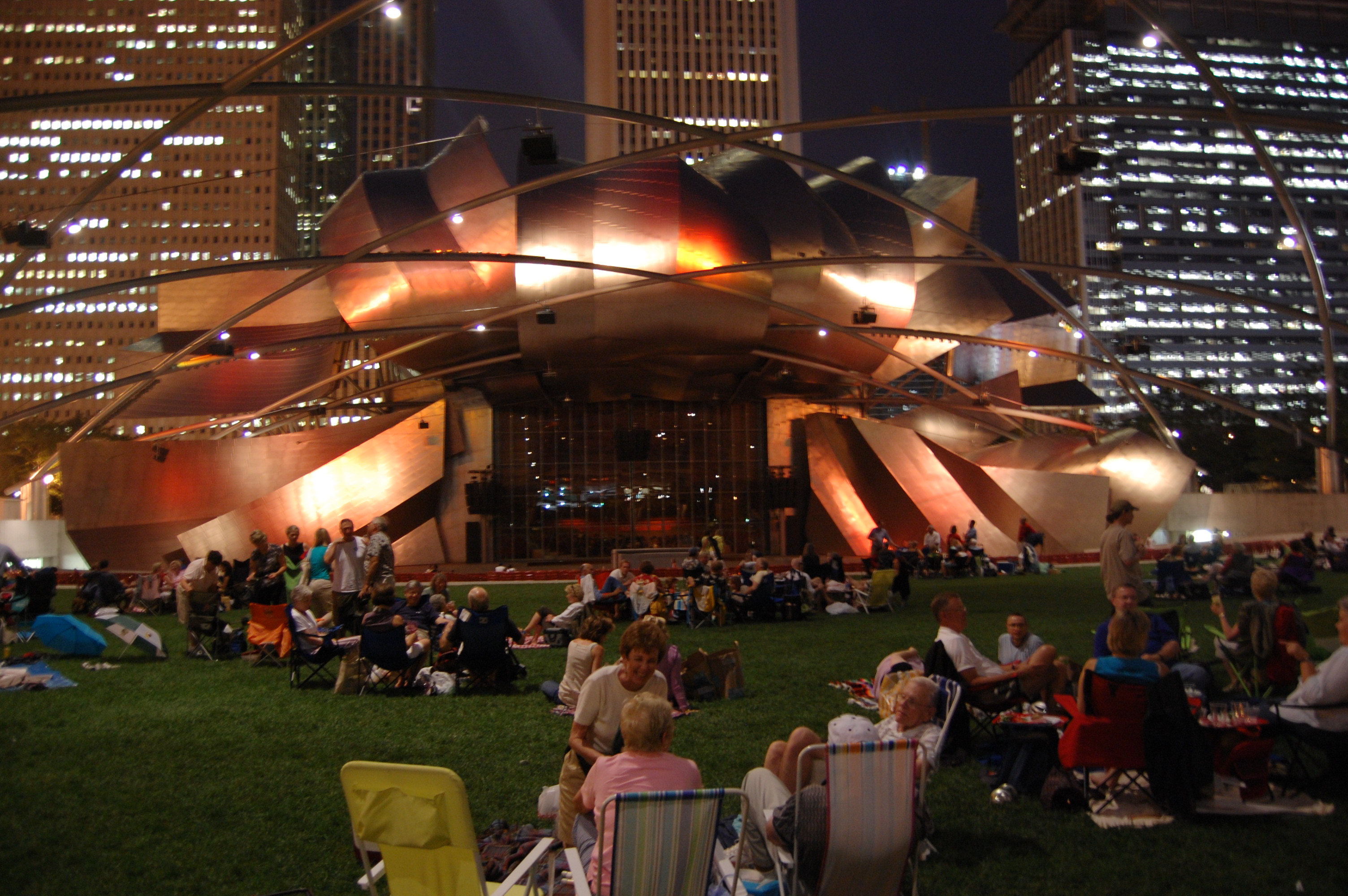
Frank Gehry’s incredible amphitheater.

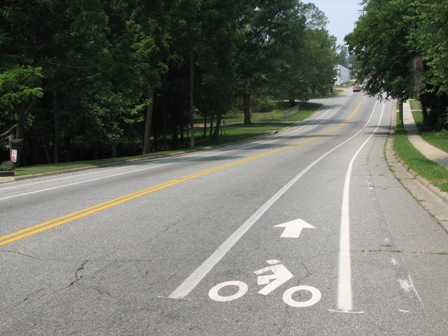
3. Bicycle lanes.
4. And what I believe they are doing best: Public art.
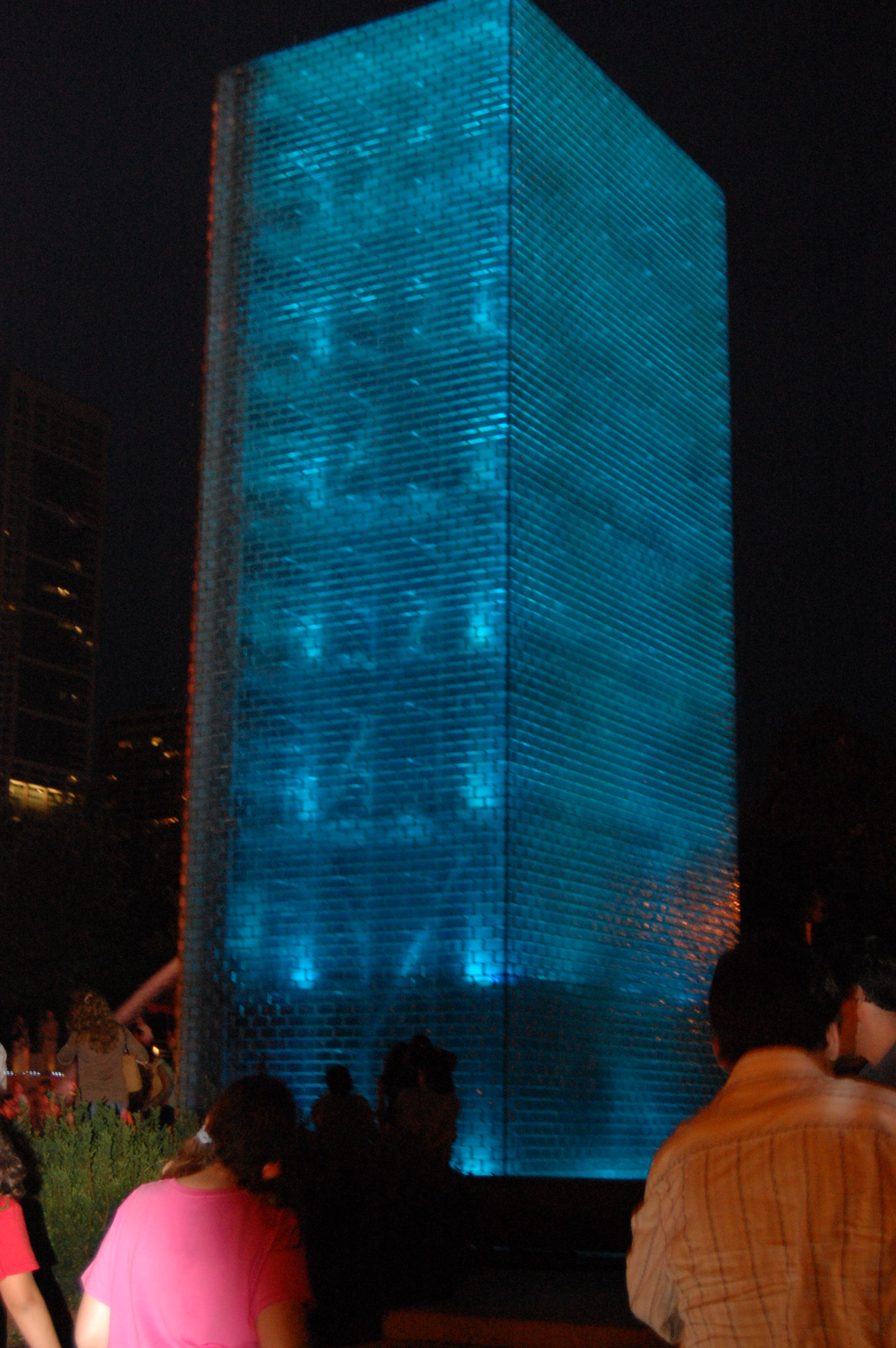
Probably the best spray park in the United States

5. A Sufjan Stevens song about them.

6. And did I mention the Art Institute?

10 thoughts

  1. Chicago also has some of the most progressive “Green Ordinances” that require things such as public open space, tree preservation and planting, sustainable landscaping, roof gardens, etc. They also have numerous houses designed by Frank Lloyd Wright and an awesome parks system designed by Frederick Law Olmstead. If it weren’t so damn cold I would move there.

  2. Lamar, if you want to talk about urban planning you should really discuss Portland. The circumstances are much different here to be sure, but beginning in the 70’s the city government really started experimenting with planning initiatives such as the urban growth boundary and mass transit instead of freeways that have made it the city it is today. We don’t have any Frank Gehry or Frank Lloyd Wright buildings, but it’s not like Alexandria can compete on that level either.
    -Paul Davidson

  3. Wow! Bicycle lanes…what a great idea! I am excited about where the city is headed and am encouraged that the city is investigating what other progressive cities are doing and have already done in terms of Smart Growth and planning.

  4. Darren, we need to look into designations for historic trees.

    Paul, I’d love to go to Portland and see what you folks are doing first-hand. It’s really crazy how many people I know from Alexandria who have moved to Portland. You guys are obviously doing something right– attracting and retaining a young and civic-minded workforce. I am certain there are lessons we can learn from Portland as well.

    Andrea, Chuck Fowler actually introduced the idea of more bicycle lanes in the last Council meeting.

  5. In the new draft of preservation ordinances, among other things, it sets out historic designations for trees.

    Due to gas prices, there are more cyclists out there and many times no sidewalks or lanes for them to utilize. I have seen many a near miss due to no place for people to ride their bike safely. Great, great idea!

  6. Chicago sure is a neat town. However, it is hard to compare the infrastructure and cultural development/amenities made available by the gigantic tax base of millions of people and businesses, to our town of 50,000. I’d love to take an “El” to BR or Shreveport, but it just isn’t sustainable with our sprawl.

  7. Lamar.

    Protection of historic trees can be handled one of two ways. They can be added to the design / preservation guidelines within a specific overlay district….I believe we call then DUCS. For instance, large Live Oaks and Magnolias in the Garden District could be protected from indiscriminate removal except under limited circumstances such as a tree that is dead or poses a hazard to property owners or the public. The other mechanism is to incorporate the protections into our existing tree ordinance.

  8. near misses? many cyclists die each year on the roads, deaths that could be prevented…

    also, why can’t there be a high-speed train link between cities in louisiana. i’ve heard people talk about this, before, and no one has a good reason why it hasn’t gotten a lot of action. lamar, you wrote about this on this website about a year ago. what’s happened since then?

    btw, here in Delhi, they just opened a light rail 2 years ago, which has been enormously successful. there is a great deal of construction going on all over the city, as they are expanding the system in 4 phases until 2018. eventually it will link up many small towns in the delhi state with the city. it is quick, cheap, clean, air-conditioned, efficient, and good for the environment.

Leave a reply to Mung Cancel reply